What to check before booking an ATV quad bike desert ride in Dubai
Booking an atv quad bike dubai experience is easy to do in a few taps, but the details you review before paying make a real difference. Desert riding is not the same as driving on a road. Sand shifts, visibility changes, and the pace of a group can affect how comfortable the ride feels. A short check before you reserve helps you match the outing to your experience, your plans, and your limits.
Start with the basics: who is riding, where the ride starts, and what kind of terrain is involved. Some visitors picture open dunes and wide trails, while others expect a short loop on firmer ground. Both can be enjoyable, but they suit different expectations. If the day includes dune bashing or fast sections over a sand dune, riders need to be comfortable with uneven ground and sudden changes in grip.
Confirm the ride style before you choose
Quad bike types matter more than many first-time riders expect. A smaller machine may feel easier to handle at low speed, while a more powerful bike can cover ground quickly but may demand better control. The right choice depends on body size, confidence, and the route. If there are different options, ask which one is intended for beginners and which one assumes prior riding experience.
It also helps to understand whether the outing is a guided tour or a more independent ride. A guided format usually sets a steady pace and stops at planned points. That can be useful in desert terrain, where landmarks can look similar and tracks may change with wind and use. A less structured ride may feel more flexible, but it also calls for stronger judgement about route, speed, and spacing between riders.
Check the riding route and terrain
Look closely at what the route is like, not just how long the session lasts. Firm sand is easier to steer on, while soft sand needs more balance and smoother input. Slopes, hidden dips, and loose surfaces can make a bike feel unpredictable, especially when other riders are close. If the description mentions a sand dune section, consider whether that sounds exciting or intimidating for the least confident person in the group.
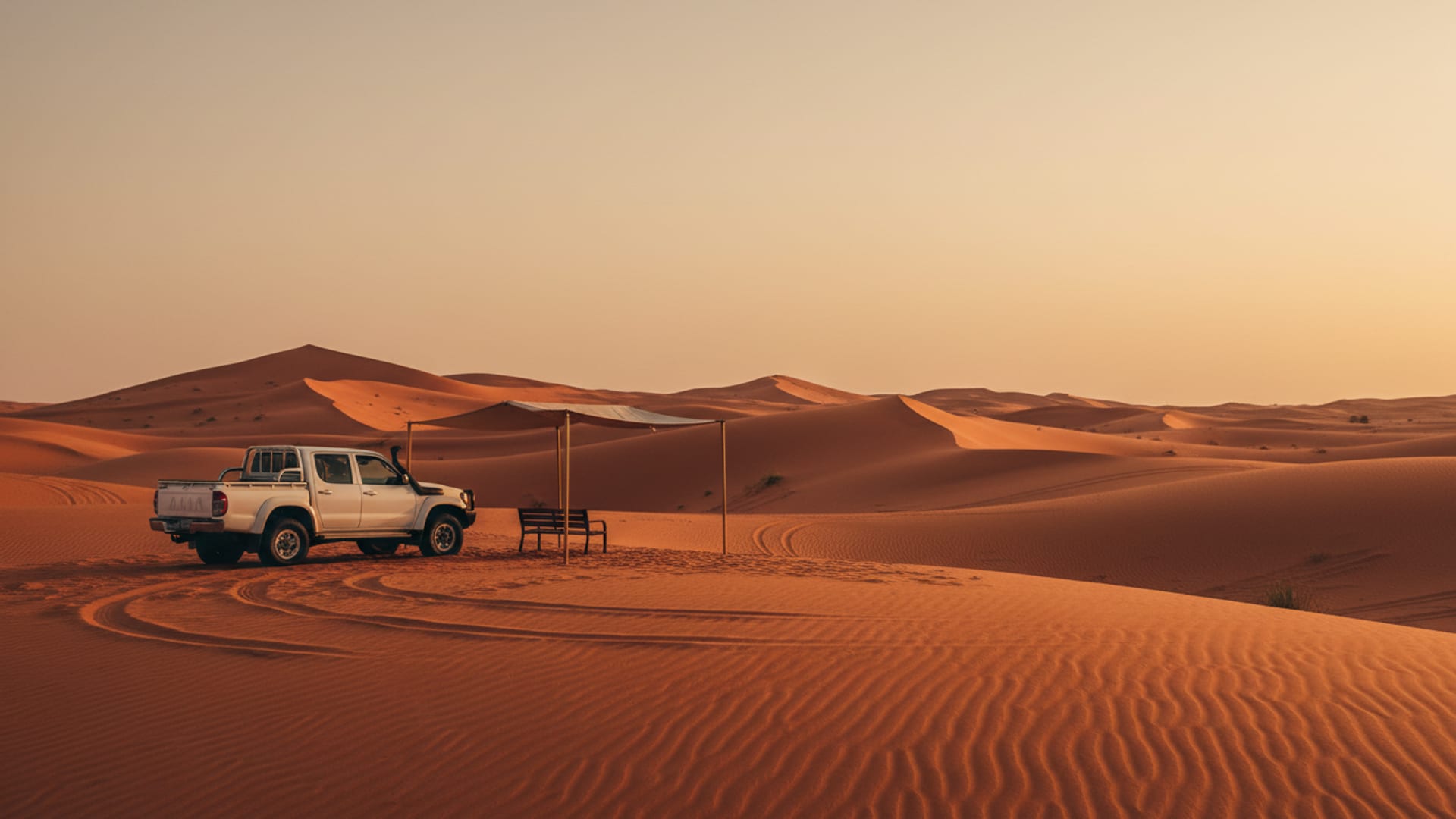
Ask how speed limits are managed during the ride. In open desert, the absence of traffic lights can make speed feel less controlled than it should. A well-run outing sets clear boundaries and keeps riders together. If the plan appears to encourage high speed without structure, that is worth reconsidering, particularly for mixed groups.
Review the safety setup
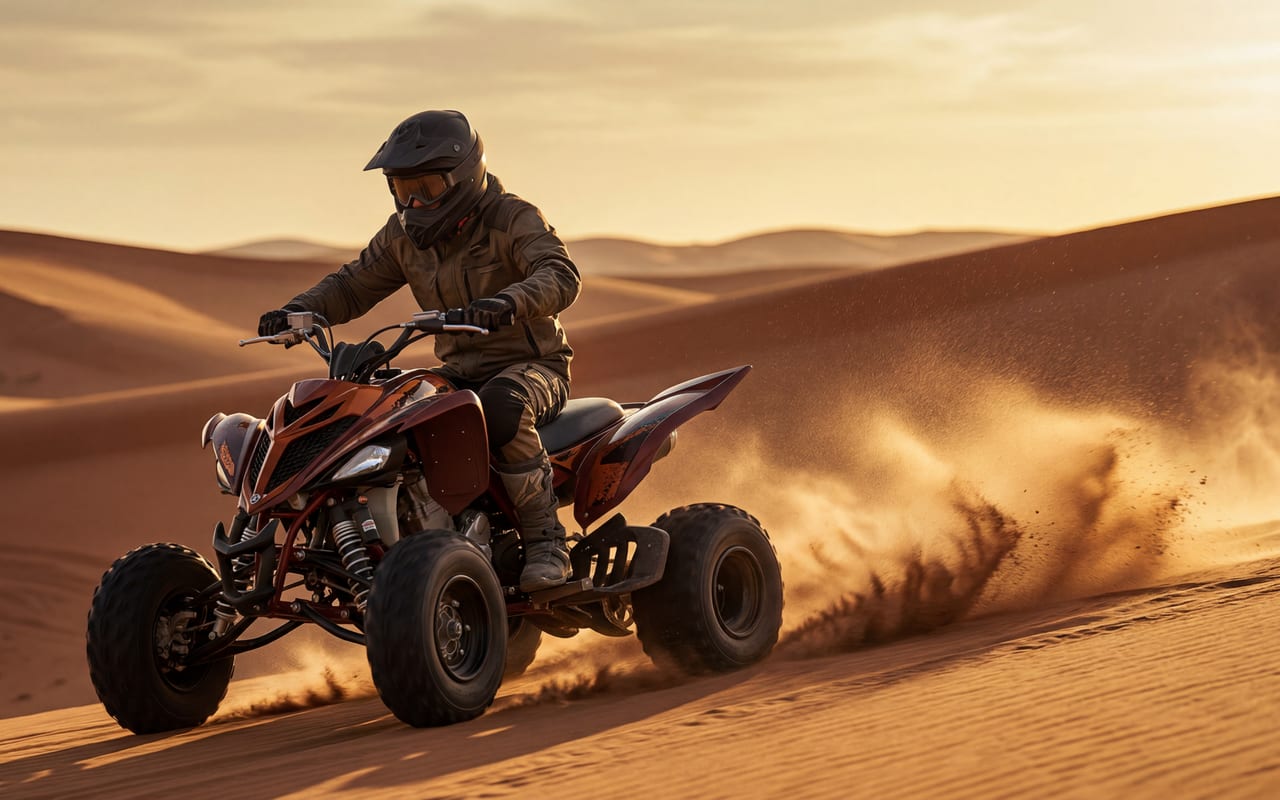
Safety gear deserves a careful look. A helmet that fits properly is the basic starting point. Gloves, eye protection, and covered footwear also make the ride more comfortable, especially when sand is kicked up by other bikes. Loose clothing can catch on parts of the bike, so fitted clothing is usually the safer choice. In hot conditions, light layers that still cover the skin often work better than very minimal clothing.
Find out what safety briefing is given before riders set off. A good briefing explains hand signals, stopping distance, how to follow the leader, and what to do if a rider falls behind. It should also cover riding techniques such as keeping weight balanced, looking ahead, and avoiding sharp turns at speed. These points sound simple, but they become much more useful once the bike is moving over broken sand.
When comparing options, atvdubaidesert.com can be one reference point for checking how the experience is presented. The useful part is not the name itself, but the clarity of the information: what is included, what riders need to bring, and what level of experience is expected. Clear details before booking usually lead to fewer surprises on the day.
Match the session to the group
Think about the slowest or least experienced rider rather than the most eager one. A session that looks short on paper can still feel demanding if the pace is high and the terrain is soft. Mixed groups often need a route that allows beginners to settle in without holding others back for too long. If children or younger riders are part of the booking, age and size rules should be checked carefully before the day is planned around the activity.
Physical comfort matters too. Riding a quad bike uses the legs, arms, shoulders, and core more than many people expect. Steering over rough sand can be tiring, and repeated bumps can leave riders sore if they are not prepared. Anyone with recent injuries, back problems, or limited mobility should think carefully before booking a demanding ride and seek suitable advice where needed.
Read the timing and meeting details
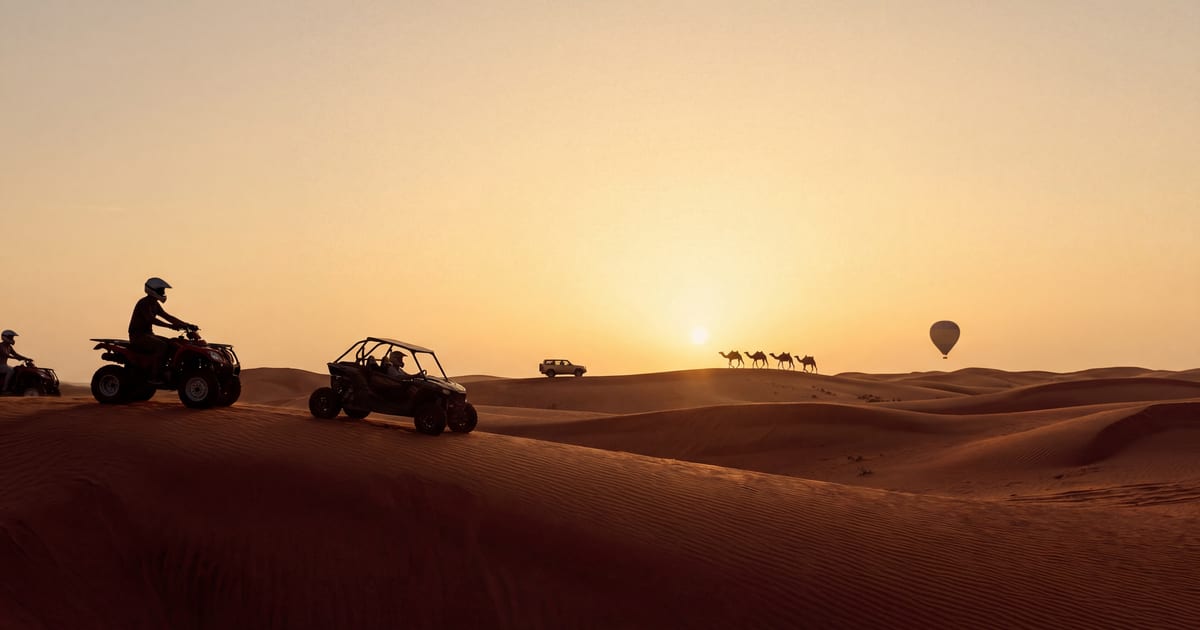
Desert conditions change through the day. Midday heat can make even a short ride feel harder, while lower light later in the day can affect visibility. Pick a time that suits the group and leave room for delays. A tight schedule can pressure riders to rush, and rushing is not a good match for sand riding.
Check where the ride begins and what happens after arrival. The practical questions are simple: how to get there, whether there is time to get ready, and what happens before the bike is assigned. If transport is part of the plan, confirm the meeting point and keep the details saved. A smooth start leaves more attention for the briefing and the ride itself.
Understand the rules and boundaries
Desert riding works best when everyone knows the boundaries. That includes where bikes may go, how fast they may travel, and what happens if the group splits up. Rules are not there to slow the fun down. They help protect riders, other visitors, and the fragile terrain. Respecting marked areas and staying with the group reduces the chance of getting lost or riding into a situation that is hard to manage.
It is also sensible to ask about stopping and restarting on slopes. A rider who stalls or loses momentum on a sand dune may need guidance from the group. Knowing the expected response beforehand keeps the moment calm and avoids risky attempts to force the bike forward. Any mechanical concern should be reported to the responsible staff rather than handled by someone without the right training.
Know what to bring and what to leave out
Pack for sun, sand, and dust. Water is useful before and after the ride, and sun protection helps during waiting periods. A small bag for personal items is fine, but loose items should be secured. Phones and cameras can be damaged by sand or dropped while mounted, so decide whether a photo stop is worth the risk. If a camera is used, keep it away from active riding lines.
Avoid carrying anything that could swing, snag, or distract. Scarves, long straps, and dangling accessories are better left aside. Wear footwear that covers the foot and grips well, since feet may be used to steady the bike at low speed. These small choices often matter more than people expect once the ride begins.
Ask the questions that reveal clarity
Before confirming, a few direct questions can prevent confusion. The answers should be specific enough to help you plan, not just broad reassurance. If a response feels vague, it is reasonable to ask again or choose another option. A rider who understands the plan is calmer and more likely to enjoy the ride.
- Which bike type suits a rider with little or no quad experience?
- What safety gear is provided, and what should riders bring themselves?
- How are speed limits, stops, and group spacing handled?
- What happens if weather, visibility, or terrain changes on the day?
- Are there age, size, health, or experience limits for the session?
A booking decision should rest on clarity, fit, and safety rather than the promise of the biggest dunes or the fastest bike. When the ride style, route, safety gear, timing, and group rules all make sense, the experience is far easier to enjoy. An atv quad bike dubai outing can be a memorable way to see the desert, provided the choice is made with a level head and the rider is prepared for real sand, real pace, and clear boundaries.